Do you already understand the different classifications of dangerous goods? If you want to transport flammable liquids, toxic chemicals or lithium batteries, it is goods to know the different classifications and associated risks. In this blog, each of the 9 classes of dangerous goods will be broken down based on the types of risk they pose.
First, what are dangerous goods? Dangerous goods are materials or items with potentially harmful properties that might harm infrastructure, human health, safety and their modes of transportation. To manage these risks effectively, international regulations such as the UN Recommendations on the Transport of Dangerous Goods categorize hazardous materials into 9 different classes, some of them are sub-divided. Each class represents a specific type of danger, from explosive materials to environmentally hazardous substances. Understanding these classes is important for anyone working in logistics, warehousing or freight forwarding.
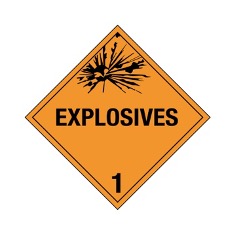
Class 1 – Explosives
Class 1 includes explosive substances and articles that can detonate or cause a sudden release of gas and heat, potentially resulting in severe damage. These goods are strictly regulated due to the high risks associated with storage and transport.
Subdivisions:
- 1.1: Explosives with a mass explosion hazard
- 1.2: Explosives with a projection hazard
- 1.3: Explosives with a fire
- 1.4: Minimal hazard
- 1.5: Very insensitive substances with mass explosion risk
- 1.6: Extremely insensitive items, no mass explosion risk
Common transported explosives: Fireworks, flares, explosive charges, detonators, igniters and rockets.
Class 2 – Gases
Class 2 includes gases that are compressed, liquefied, or dissolved under pressure, as defined by dangerous goods regulations. These gases may pose a risk due to flammability, toxicity, pressure, or the ability to displace oxygen.
Subdivisions:
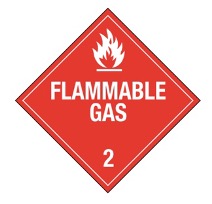
- 2.1: Flammable gases. Gases which ignite on contact with an ignition source, such as acetylene and hydrogen.
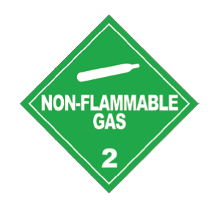
- 2.2: Non-flammable gases. This division includes compressed gas, liquefied gas, pressurized cryogenic gas, compressed gas in a solution, asphyxiant gas and oxidizing gas.
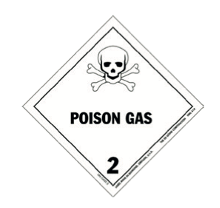
- 2.3: Poisonous Gases. Gases liable to cause death or serious injury to human health if inhaled.
Common transported gases: aerosols, compressed air, gas cartridges, insecticide gases, refrigerant gases, lighters, acetylene / oxyacetylene, carbon dioxide, natural gas, oil gas, butane propane and ethane methane.
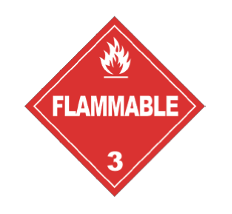
Class 3 – Flammable Liquids
Class 3 includes liquids, liquid mixtures, or liquids containing solids in solution or suspension that can easily ignite when exposed to heat, sparks, or open flame. These materials are widely used in both industrial and household applications, and pose a significant fire risk during transport.
- Low flash point – liquids with flash point below -18°C
- Intermediate flash point – liquids with flash point between -18°C to +23°C
- High flash point group – liquids with flash point above +23°C
Common transported flammable liquids: acetone, varnishes, alcohols, perfumery products, diesel fuel, aviation fuel, gas oil, shale oil, tars, esters, heating oil and ethanol.
Class 4 – Flammable Solids
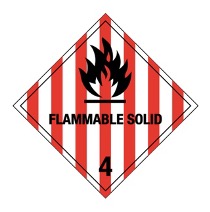
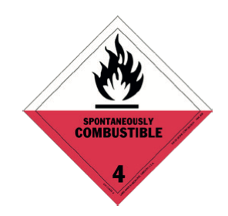
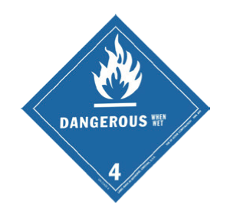
Class 4 includes solid substances that are easily ignited and can cause or contribute to fires through friction, absorption of moisture, or spontaneous chemical reactions. These materials can burn rapidly or intensely, posing serious risks during storage and transport.
Subdivisions:
- 4.1: Flammable solids
- 4.2: Substances liable to spontaneous combustion
- 4.3: Dangerous when wet
Common transported flammable solids materials: alkali metals, metal powders, sodium batteries, sodium cells, firelighters, carbon, cerium, copra, seed cake, oily fabrics, oily fibers and calcium
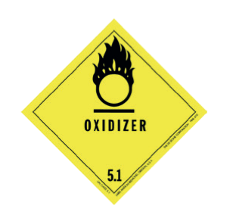
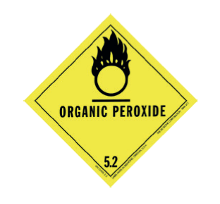
Class 5 – Oxidizers, Organic Peroxides
Class 5 includes materials that can cause or intensify combustion by releasing oxygen through redox chemical reactions. These substances are not necessarily combustible themselves but can accelerate the burning of other materials or even cause explosions when combined with incompatible substances.
Subdivisions:
- 5.1: Oxidizing agent. Materials that can cause or enhance the combustion of other substances by releasing oxygen. Examples: Ammonium nitrate, sodium nitrate, calcium nitrate.
- 5.2: Organic compounds containing the bivalent -O-O- structure, derived from hydrogen peroxide, where one or more hydrogen atoms are replaced by organic radicals. These are thermally unstable and may explode or burn rapidly under certain conditions. Examples: MEKP (Methyl Ethyl Ketone Peroxide), benzoyl peroxide.
Common transported oxidizers, organic peroxides: chemical oxygen generators, ammonium nitrate fertilizers, chlorates, nitrates, aluminium nitrate, calcium nitrate, lead nitrate and sodium nitrate.
Class 6 – Toxic and Infectious Substances
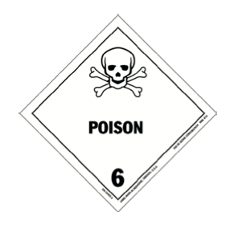
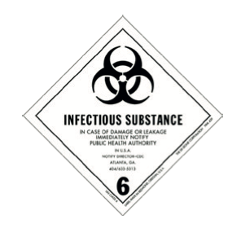
Class 6 includes substances that are harmful or fatal to humans or animals if swallowed, inhaled, or absorbed through the skin. These materials require strict handling and packaging to prevent exposure during transport.
Subdivisions:
- 6.1: Toxic Substances (Poisons): Substances that can cause serious health effects or death upon contact, ingestion, or inhalation. Examples: Chloroform, barium compounds, phenol, cresols.
- 6.2: Infectious substances. Materials known or reasonably expected to contain pathogens—microorganisms or other agents (e.g., bacteria, viruses, parasites, fungi, or prions) capable of causing disease in humans or animals. Examples: Clinical waste, diagnostic specimens, biomedical samples.
Common transported toxic substances, infectious substances: medical/biomedical waste, clinical waste, tear gas substances, dyes, alkaloids, allyls, acids, cresols, barium compounds, antimony, chloroform, phenol and resorcinol.
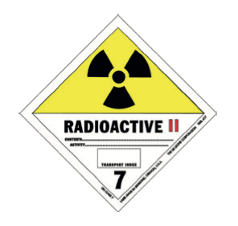
Class 7 – Radioactive Material
Class 7 includes materials that contain radionuclides, unstable atoms that emit ionizing radiation. According to dangerous goods regulations, a substance is classified as radioactive if both the activity concentration and the total activity exceed specific regulatory thresholds. These materials can pose serious health risks and require strict handling, specialized packaging, labeling, and transport documentation.
Unlike other classes, Class 7 is not divided into subdivisions, but packaging and transport categories depend on the level of radiation and potential exposure risk.
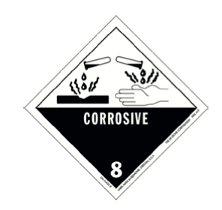
Class 8 – Corrosive Substances
Class 8 includes substances that can destroy or damage other materials or living tissue upon contact. These materials are highly reactive and can cause severe damage to skin, eyes, and other living tissues. They also pose risks to the environment in case of leakage, as they can corrode and destroy surrounding materials.
Common transported corrosives: acids, batteries, battery fluids, fuel cell cartridges, flux, paints, amines, polyamines, sulphides, chlorides, sulfuric acid, iodine and morpholine.
Class 9 – Miscellaneous Dangerous Goods
Class 9 includes substances that pose hazards not covered by the other eight classes, including environmental risks, special dangers, or other hazards to human health, safety, infrastructure, or transport vehicles. These goods often require unique handling and documentation due to their diverse and specific risks.

How we can help
If you are unsure about how to classify or safely transport your goods, MN Logistics is here to assist. Our experienced team specializes in handling a wide variety of hazardous materials and can guide you through every step of the shipping process, ensuring compliance with all safety regulations.